Welcome to
Croatia
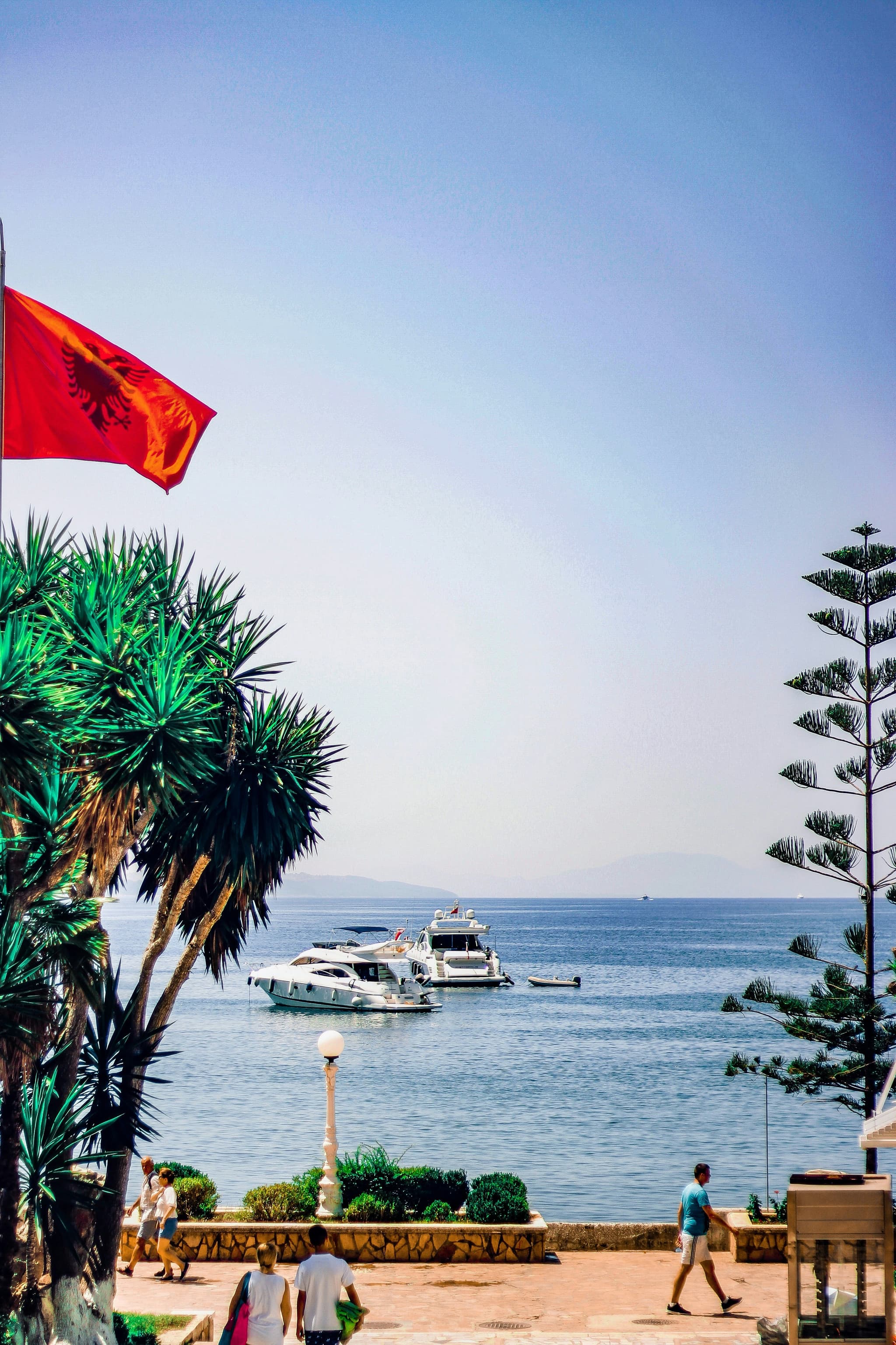
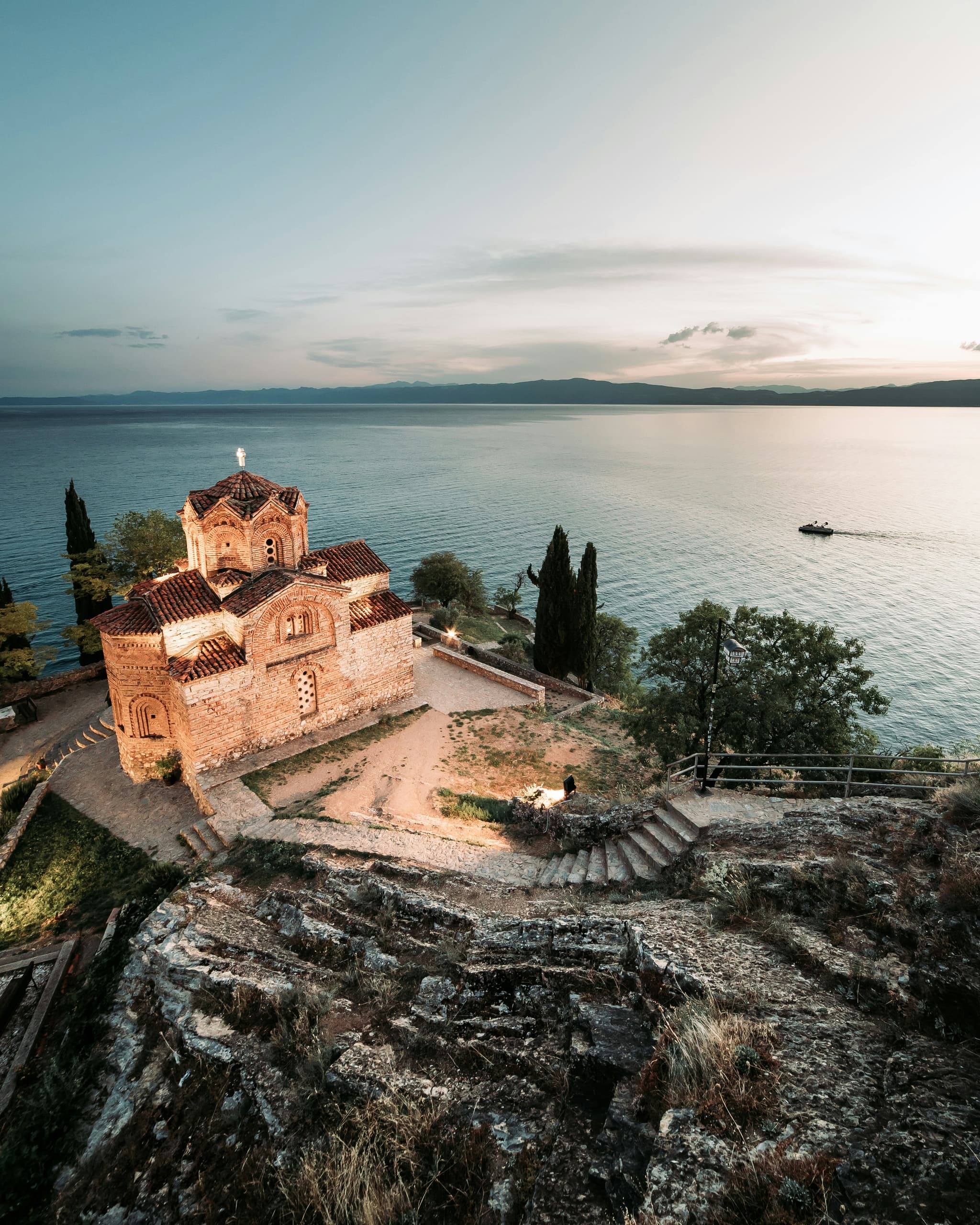
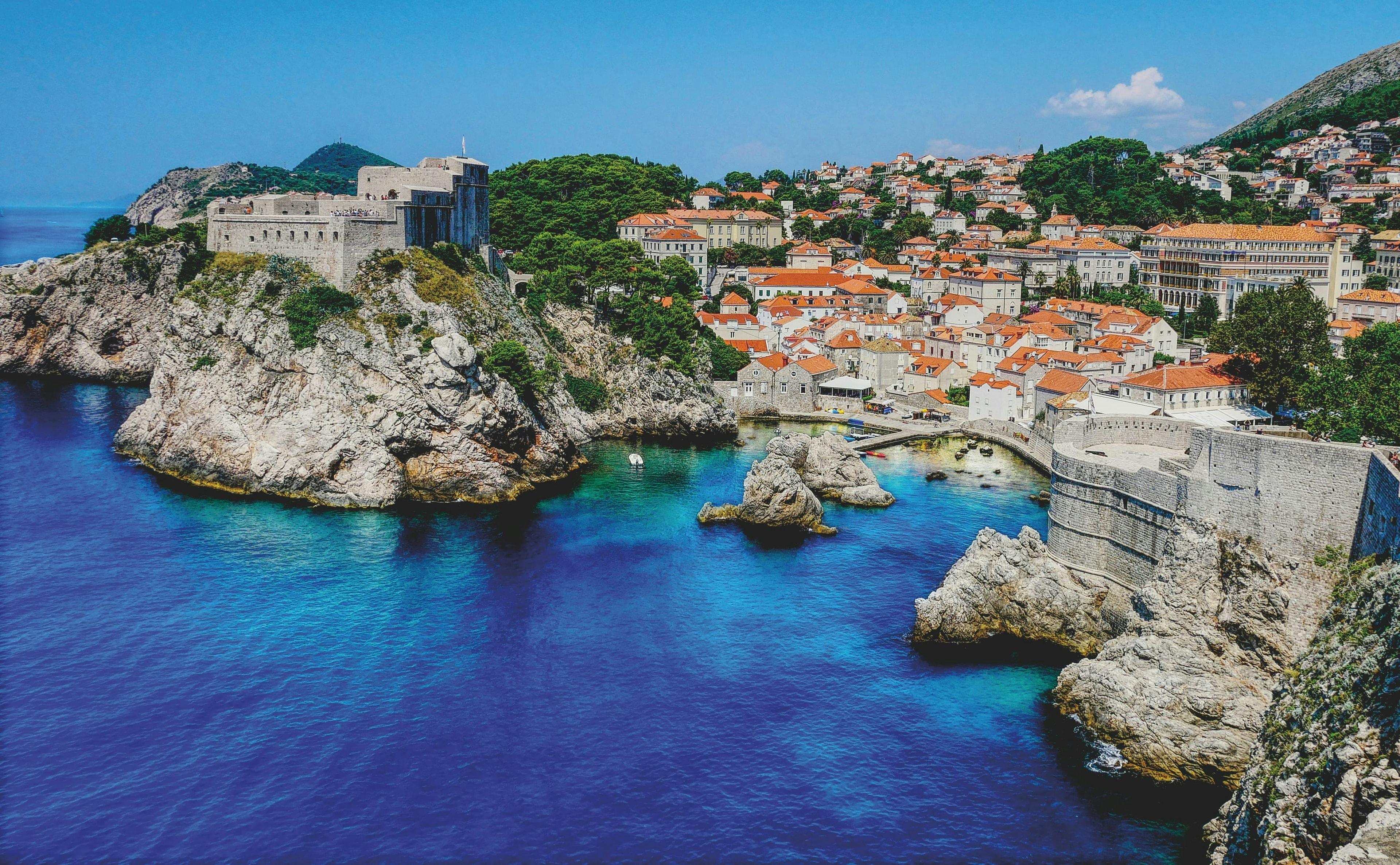
Breathtaking Coastline
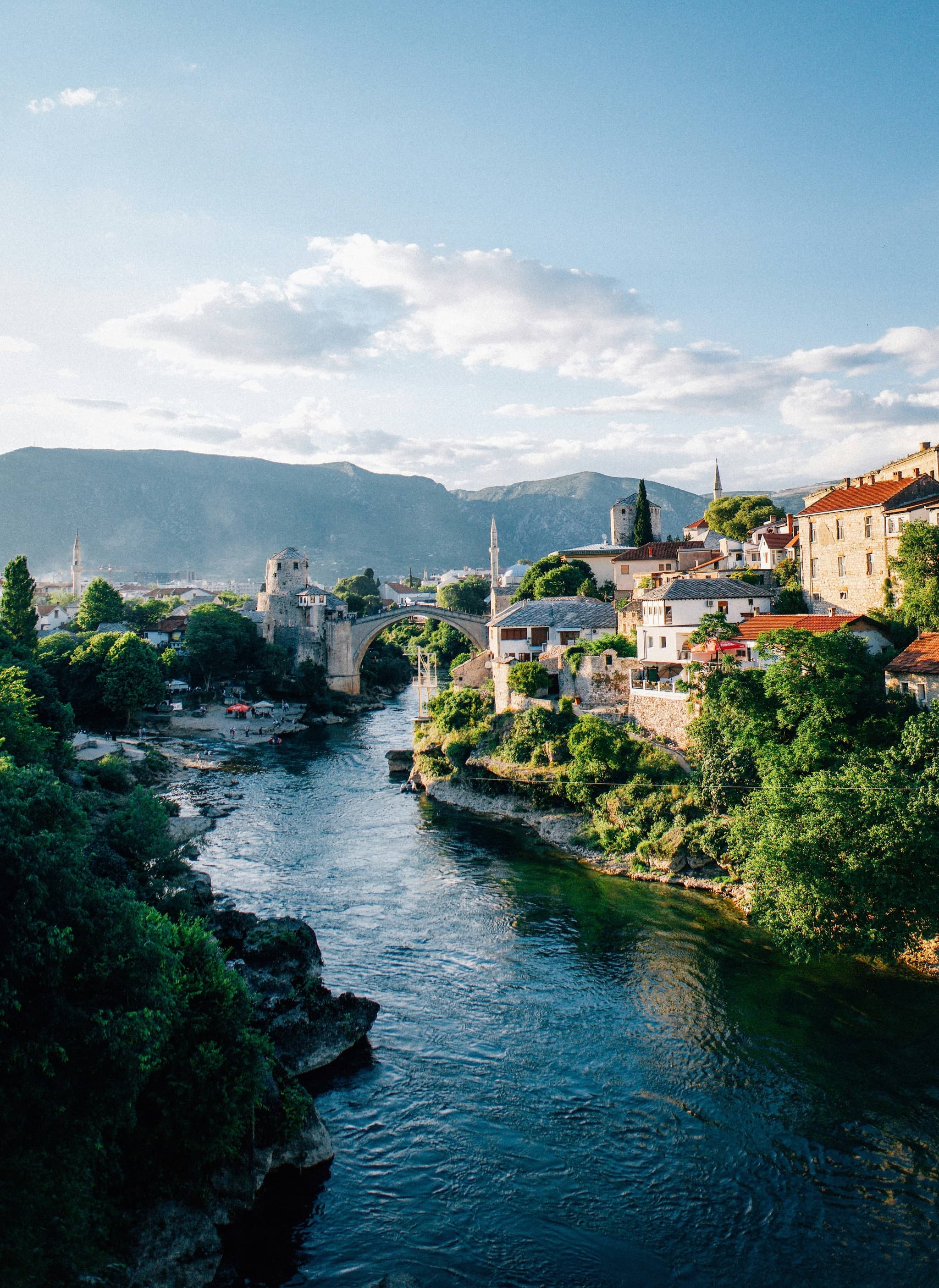
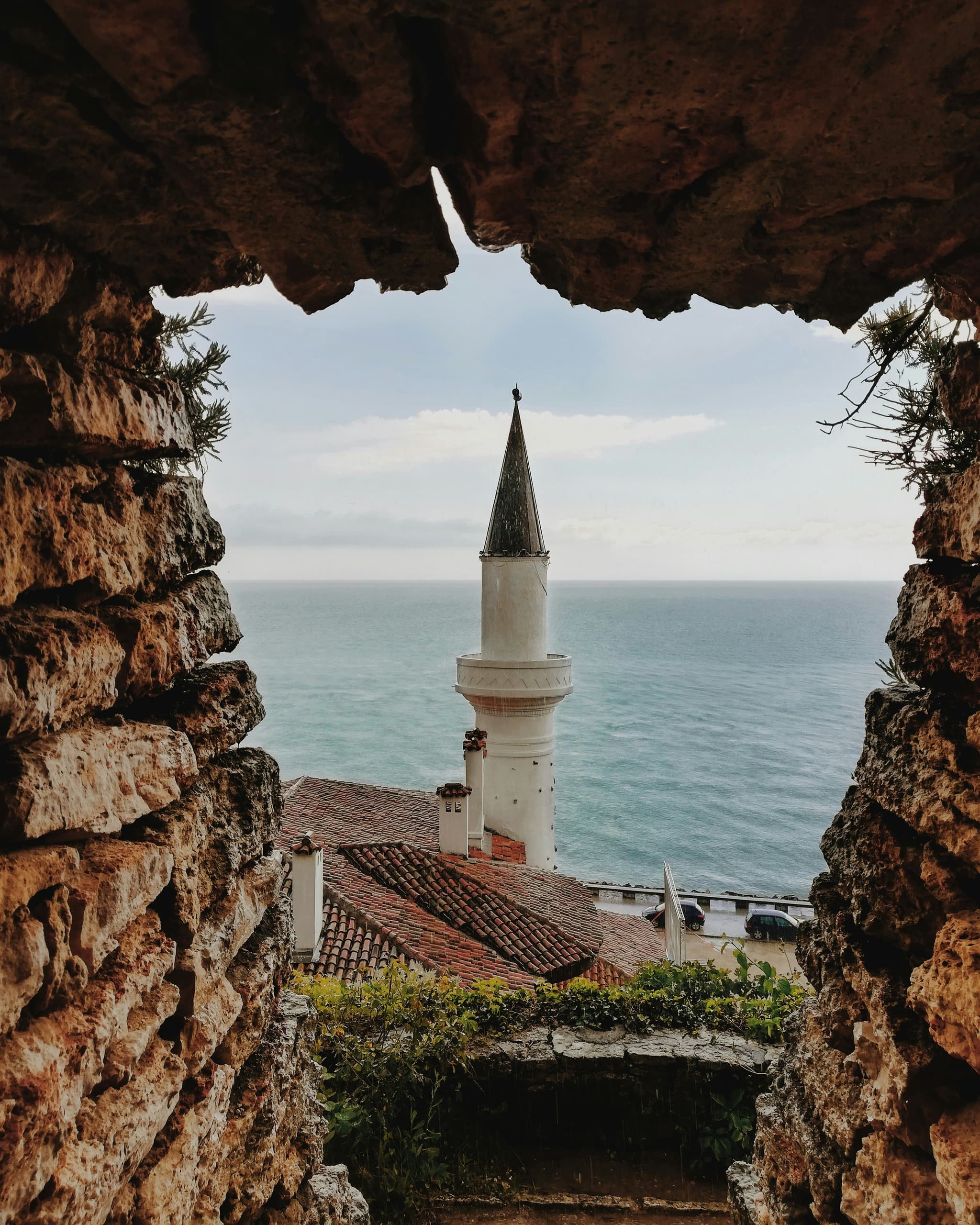
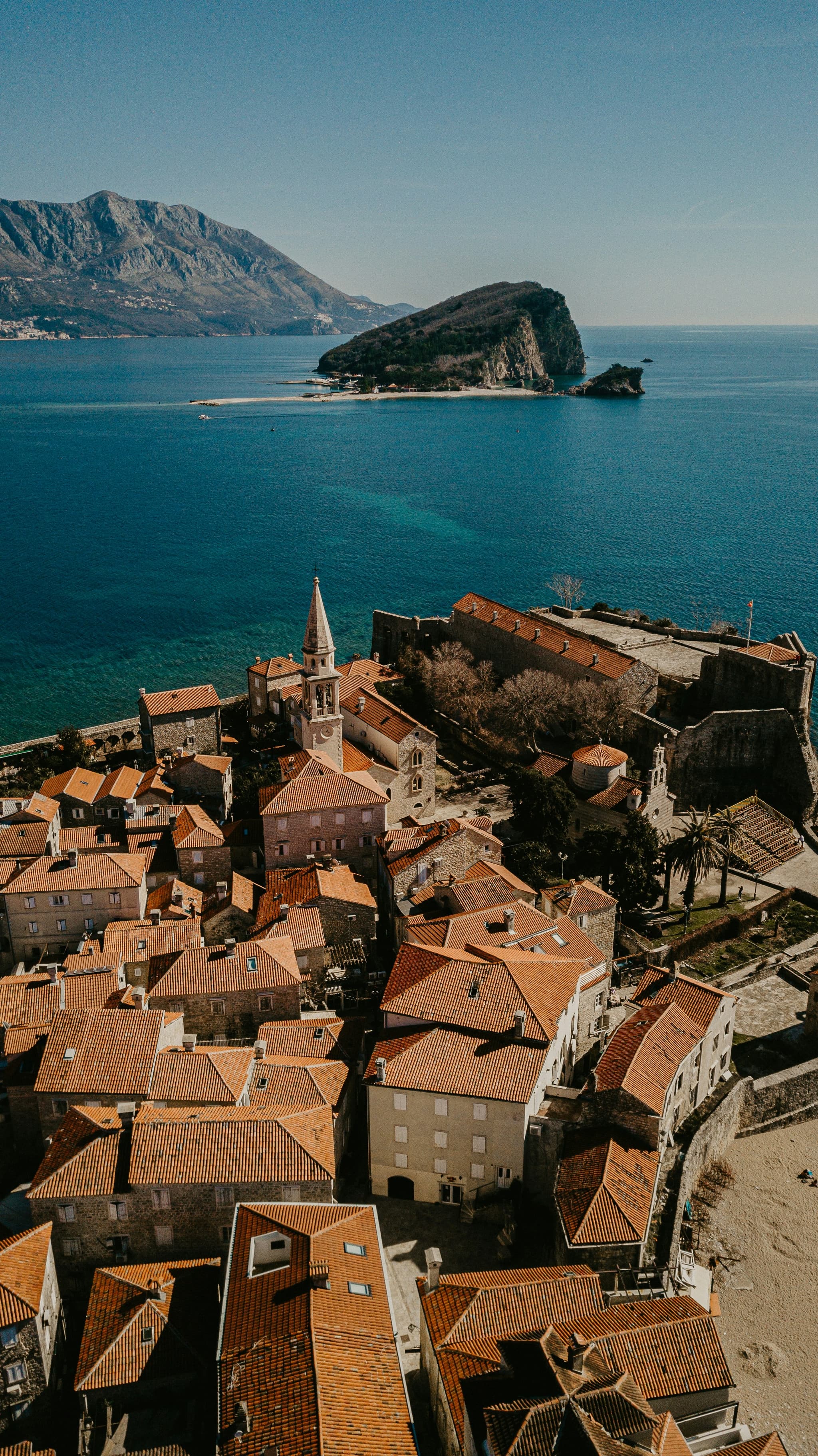
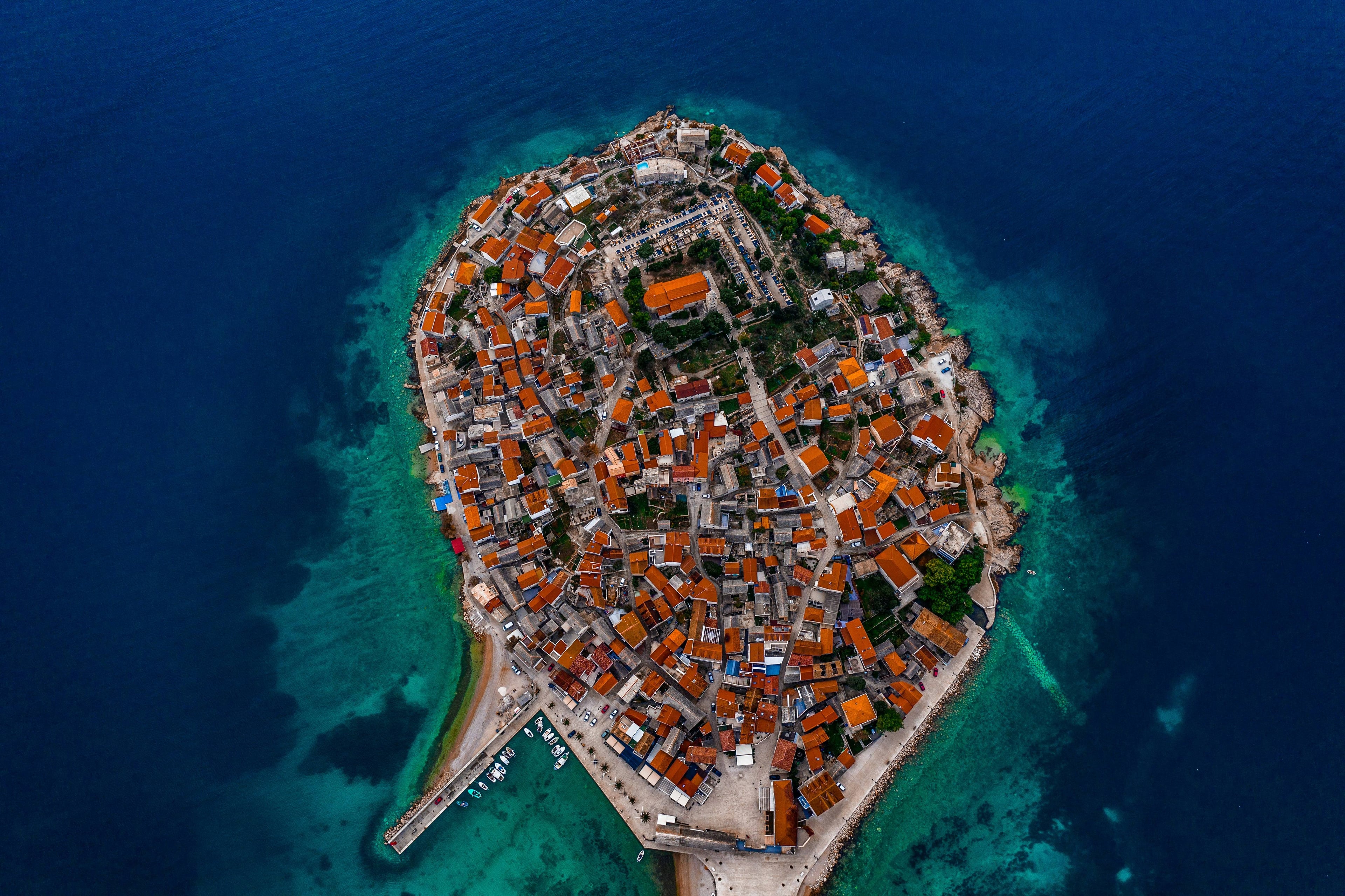
A Rich and Living Heritage
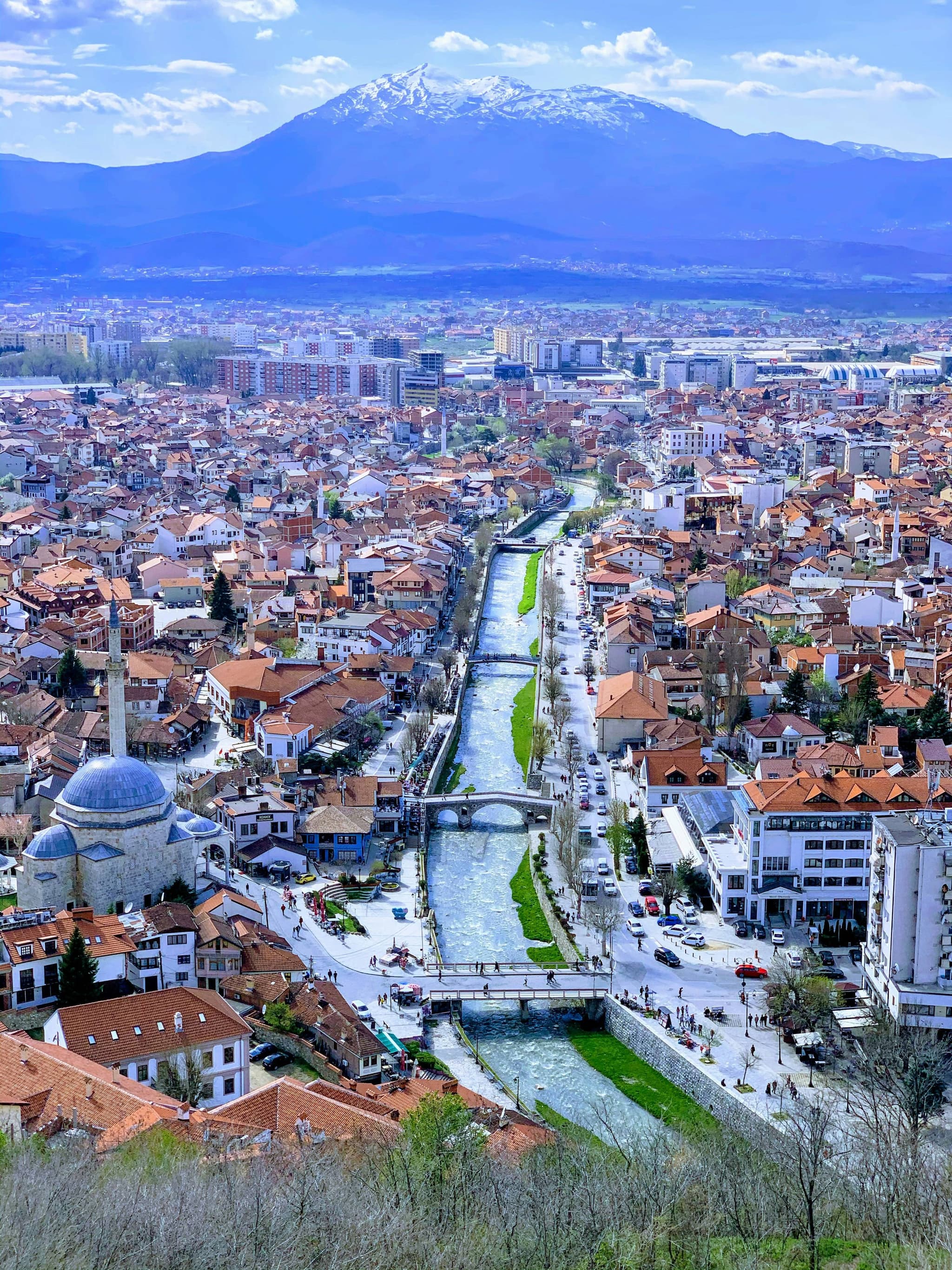
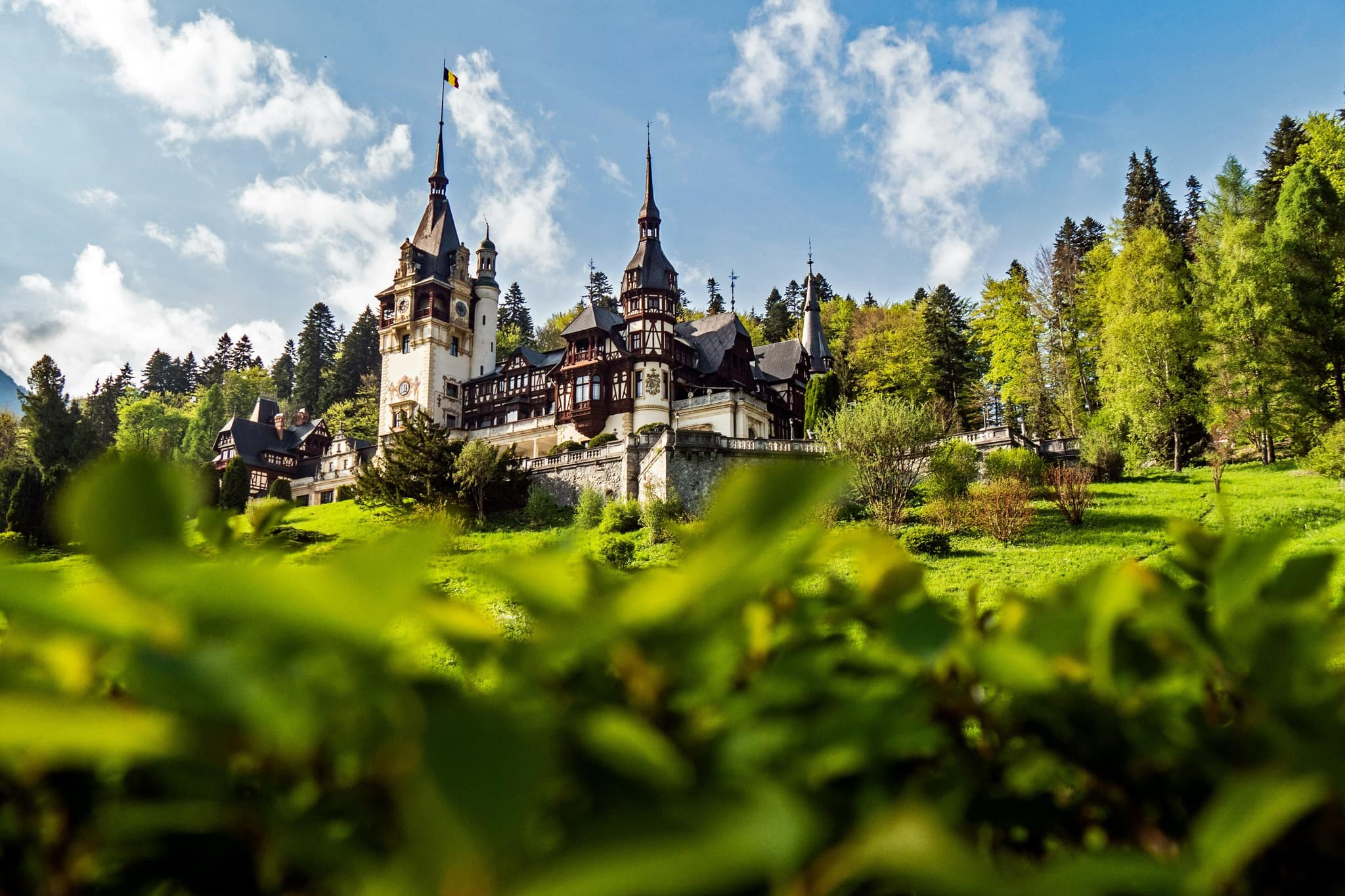
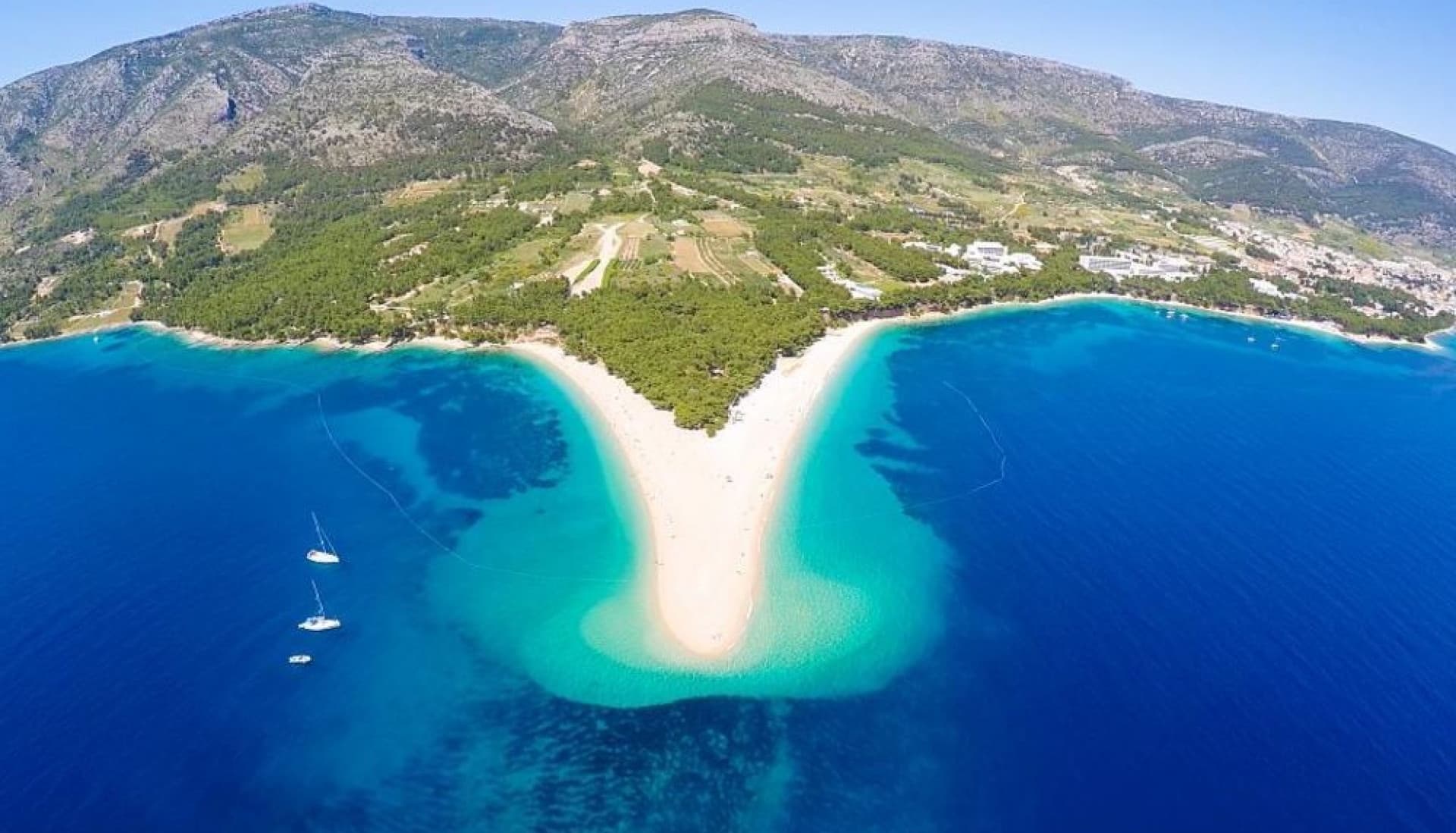
A Wild and Preserved Nature
Between turquoise sea, historic cities, and grandiose nature, Croatia is a Mediterranean pearl where every journey becomes an unforgettable adventure.
Nestled between the Alps and the Adriatic, Croatia captivates with its diverse landscapes and rich heritage. Bordered by crystal-clear waters and dotted with over a thousand islands, it offers a spectacular coastline, perfect for swimming, sailing, or simply strolling through postcard-perfect stone villages. Inland, wild mountains, dense forests, and national parks invite adventure. From Dubrovnik to Zagreb, Croatia also reveals a fascinating history, blending Slavic, Roman, and Venetian influences. A complete destination, between relaxation, culture, and nature, that awakens all the senses.
View all our trips
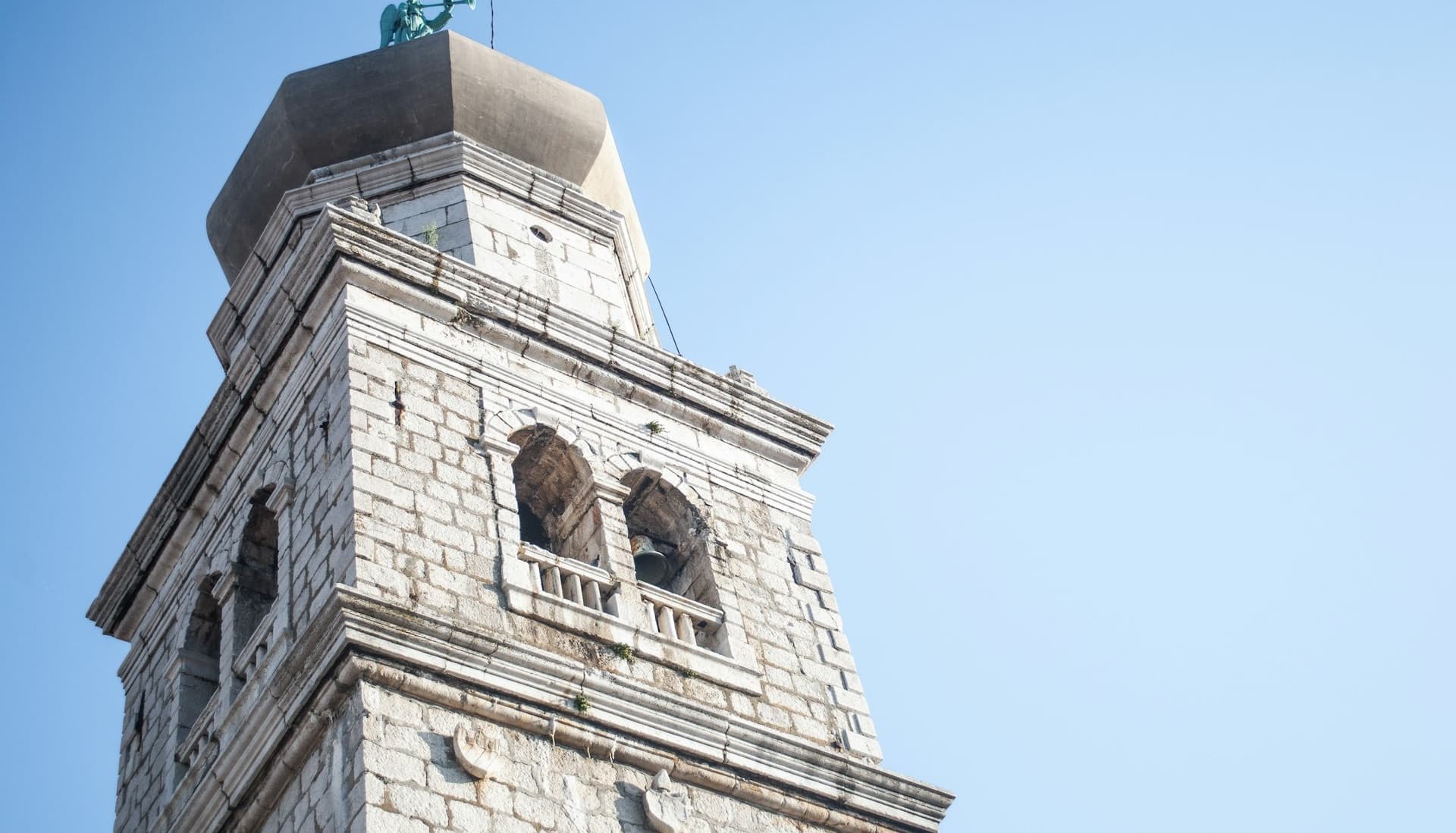
View all our trips
A land of contrasts between azure sea, ancient cities, and wild nature, Croatia invites you to travel with authentic charm and Mediterranean joie de vivre.
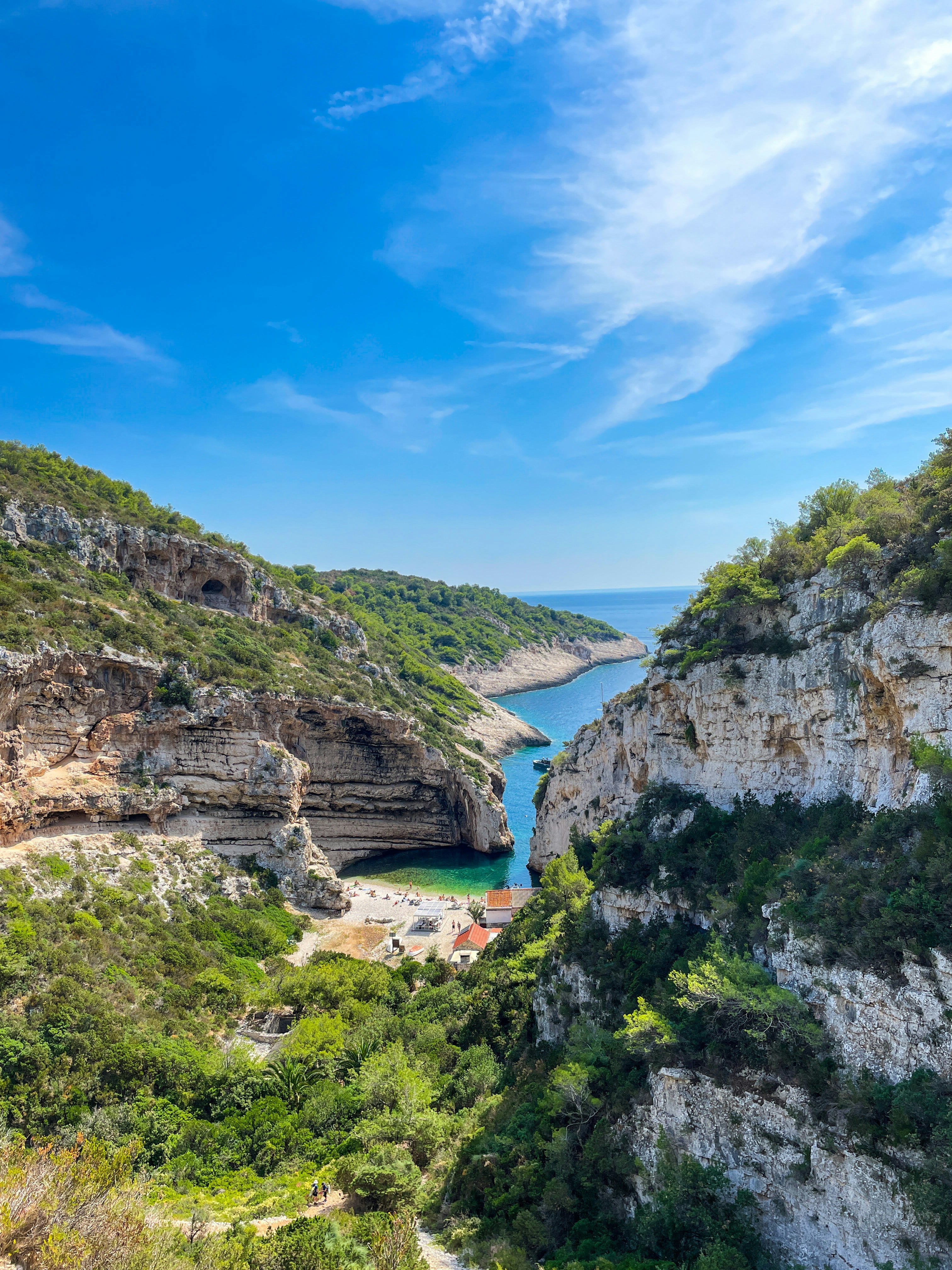
A spectacular coastline with paradise-like allure
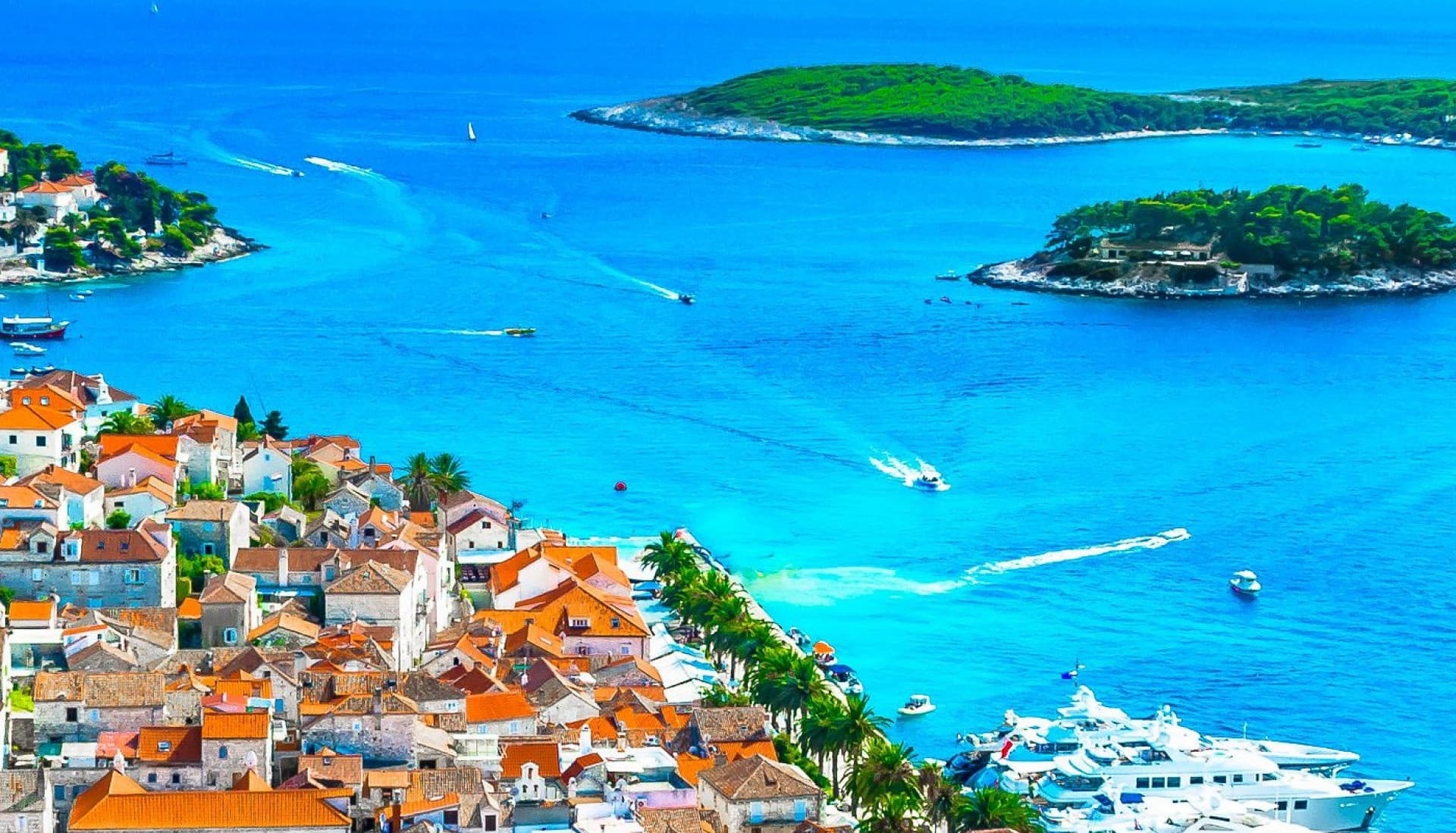
With its crystal-clear waters, golden pebble beaches, and hundreds of islands, the Croatian Adriatic coast is one of the most beautiful in Europe. Whether exploring the streets of Dubrovnik, sailing around the islands of Hvar or Korčula, or relaxing facing the sunset in Zadar, the sea is always within reach. It's the dream destination for swimming enthusiasts, boat trips, or simply sunbathing.
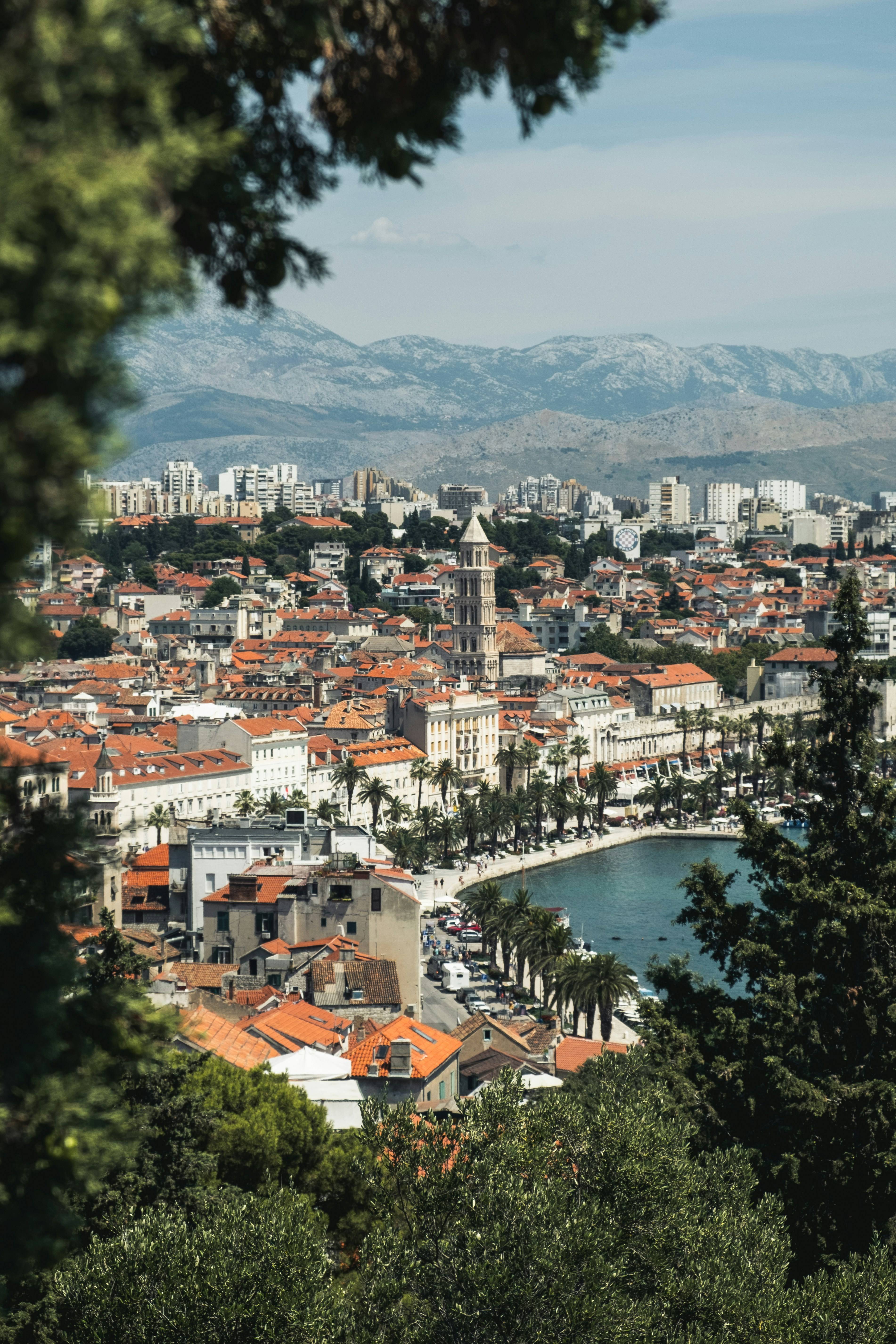
Rich and fascinating heritage
Croatia is a true crossroads of civilizations. Here you'll discover perfectly preserved Roman remains, like Diocletian's Palace in Split, perched medieval villages, Byzantine churches, and Venetian fortresses. Each city has its story to tell, each stone testifies to a tumultuous past. Between traditional festivals, living museums, and local markets, Croatian culture expresses itself with generosity and passion, offering visitors an enriching and authentic immersion.
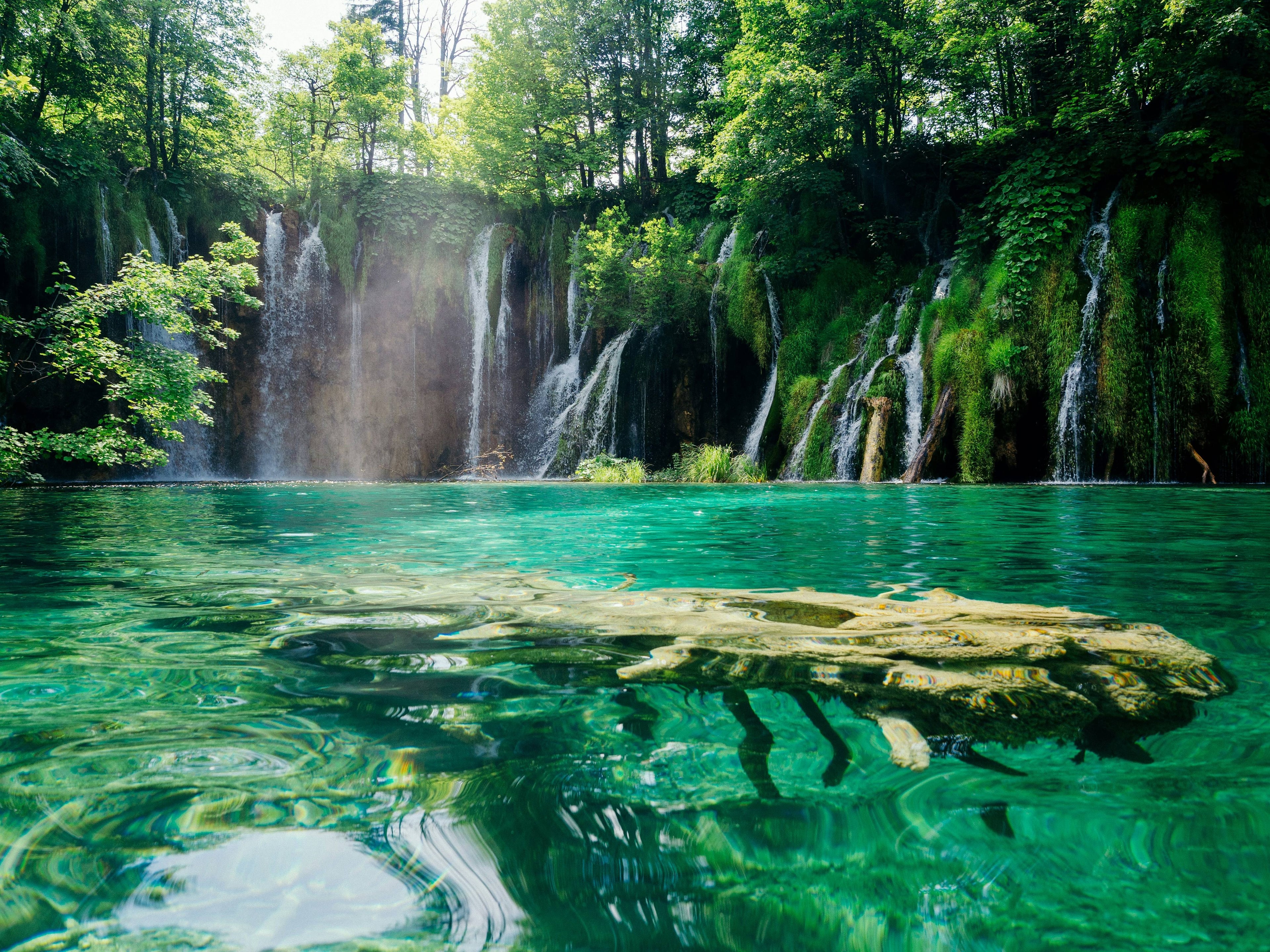
Preserved nature, between mountains and waterfalls
Far from the beaches, Croatia reveals another face, wilder and greener. Its eight national parks are true havens of peace: the turquoise lakes of Plitvice, the impressive falls of Krka, the Velebit mountains, or the trails of Paklenica National Park enchant hiking and fresh air lovers. Here, nature is queen, accessible and spectacular, perfect for a road trip, a family adventure, or a refreshing escape.
Travel guide to Croatia
When to visit?
Croatia enjoys a Mediterranean climate on the coast and continental climate inland. The best time to visit extends from April to October. July and August are the hottest and busiest months, ideal for enjoying the sea, while spring and autumn offer pleasant weather and fewer tourists.
Health
The European Health Insurance Card covers medical care for EU nationals. Basic vaccines (DTP) must be up to date. Tap water is generally drinkable, but bottled water is recommended in some rural areas or on the islands.
Plane tickets
A Paris-Zagreb or Paris-Split flight costs between €100 and €400, depending on the season, airline, and booking anticipation. In summer, direct flights are also offered to Dubrovnik, Zadar, or Pula.
Time difference
Croatia is in the same time zone as France (GMT+1). There is therefore no time difference, except during seasonal time changes.
Spoken languages
Croatian is the official language. English is widely spoken in tourist areas, especially among young people. German and Italian are also quite common on the coast.
Phone and internet
Croatia's country code: +385. The mobile network is of good quality, and wifi is available in most hotels, cafes, restaurants, and vacation rentals.
Electricity
Electrical outlets are identical to those used in France (type C and F, 230V, 50Hz). No adapter is needed for European travelers.
Entry formalities
European Union citizens can enter Croatia with a valid ID card or passport. No visa is required for tourist stays of less than 90 days. For non-EU travelers, a valid passport and sometimes travel insurance are required.
Currency and cost of living
Croatia has used the euro since 2023. Prices on the coast in summer are close to those in France, or higher in very touristy places (Dubrovnik, Hvar). They drop markedly off-season and inland. Expect €15 to €25 for a meal in a konoba. Cards are accepted almost everywhere.
Getting around
The bus network is dense and reliable along the coast and between major cities. Ferries and catamarans (Jadrolinija and other companies) serve the islands; in summer, book ahead, especially with a car. A rental car lets you explore Istria, the national parks and the hinterland; motorways are tolled.
FAQ: Croatia
How can I avoid the crowds in Croatia?
By choosing May–June or September–October, when the sea is still warm and the sites much quieter. We also pick accommodation away from the busiest centres and schedule visits to Dubrovnik, Split or Plitvice early in the morning or late in the day. The interior and Istria stay peaceful even in summer.
How does an island-hopping trip work?
We book the ferries and catamarans between the islands (Hvar, Brač, Korčula, Vis…) and the accommodation at each stop. You travel light, without a car on the islands, and enjoy each one for two or three nights. Our Croatia Island Hopping tour (10 days) is a good example.
What is there to see in Istria?
Istria, in the north-west of the country, is sometimes called the Croatian Tuscany: hilltop villages such as Motovun and Grožnjan, vineyards, truffles, olive oil and small Venetian seaside towns like Rovinj. It is easy to combine with Slovenia.
What documents do I need to enter Croatia?
Croatia is a member of the European Union and the Schengen area: a valid ID card is enough for European and Swiss travellers. If your itinerary goes through Bosnia and Herzegovina or Montenegro, for example for a day in Mostar or Kotor, also check those countries’ requirements.
How do I get to Croatia?
Croatia is very well connected: Zagreb, Split, Dubrovnik, Zadar and Pula have direct flights, especially from April to October. We often suggest arriving at one airport and leaving from another, for example Zagreb and Dubrovnik, to avoid backtracking; returning the rental car elsewhere may then incur an extra charge.
Testimonials
Our Croatian adventure was beyond perfect. From the medieval streets of Dubrovnik to the crystal-clear waters of the islands, every moment was magical. The local guides shared stories that brought history to life.
James and Sarah -
Discover our other destinations