
Bulgaria, land of traditions and adventures in the heart of the Balkans
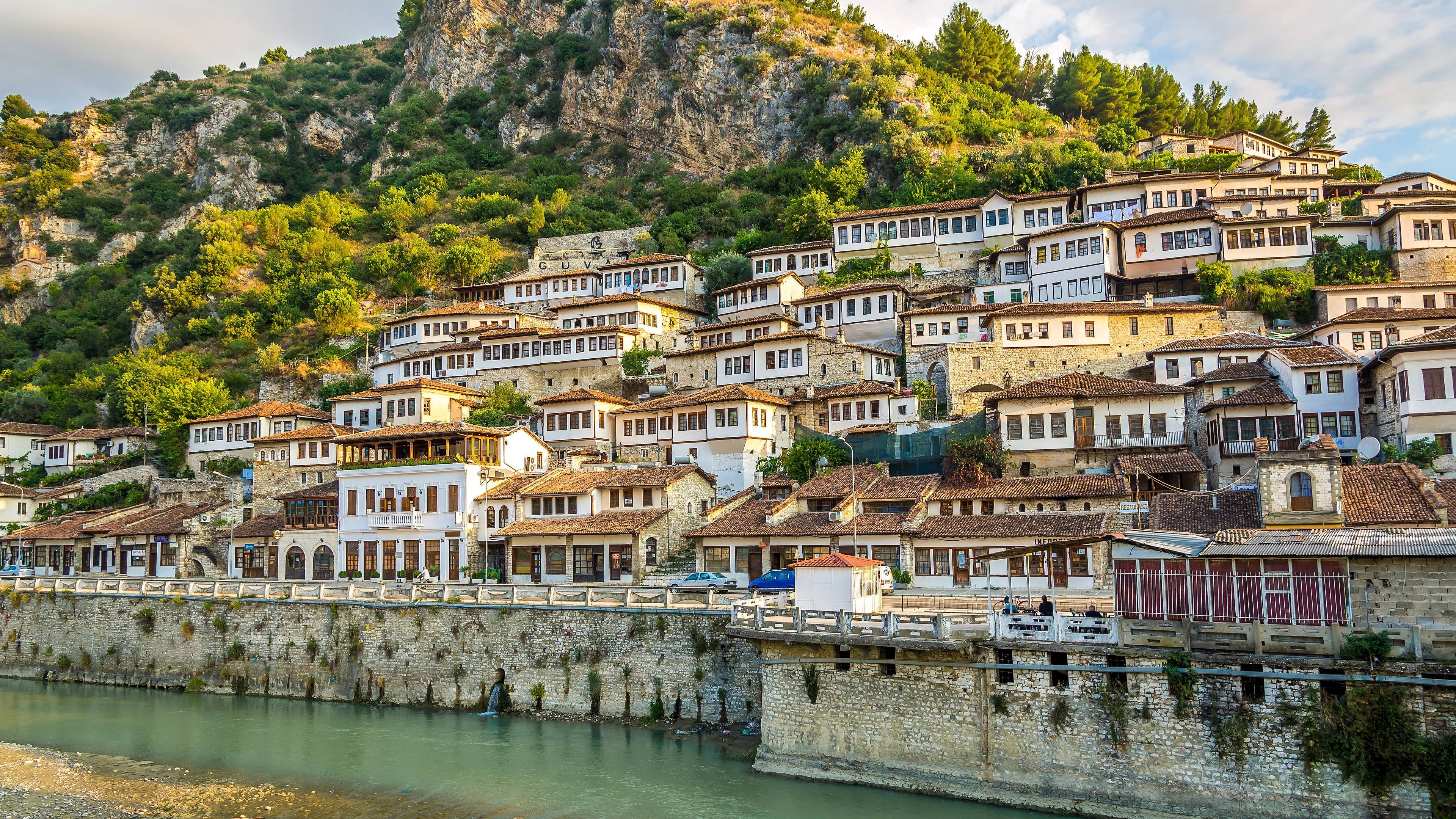
Bulgaria is a true cultural crossroads between East and West, offering a surprising diversity of mountain landscapes, wild forests, and preserved beaches on the Black Sea. A country with a thousand-year history, it houses archaeological treasures and UNESCO-listed sites, testifying to the passage of ancient civilizations like the Thracians, Romans, and Byzantines. Whether exploring its generous nature, savoring authentic cuisine, or feeling the effervescence of its lively cities like Sofia or Plovdiv, Bulgaria charms with its authenticity and warm hospitality.
View all our trips
Bulgaria, a playground of adventure between wild mountains, ancient legends, and endless celebrations.

A still secret destination
Long remaining in the shadow of its neighbors, Bulgaria today opens up to travelers seeking authenticity. Between ancestral traditions, villages frozen in time, and intact nature, the country reveals an unsuspected richness far from mass tourism. A land of hospitality and surprises at every turn.

An unsuspected natural paradise
Misty mountains, primary forests, glacial lakes, and legendary rock formations: Bulgaria is a true gem for nature lovers. Whether for hiking in summer or skiing in winter, each season reveals a spectacular face of the country.

A cultural heritage of rare richness
From the Thracian civilization to the Roman, Byzantine, and Ottoman empires, Bulgaria is a crossroads of millennial histories. Perched monasteries, ancient ruins, Byzantine frescoes, and classified cities testify to a glorious and vibrant past, still visible in the daily life of Bulgarians.

An exceptional world heritage
Bulgaria is home to 10 UNESCO World Heritage sites. Some are famous, others unknown, nestled in remote and preserved regions. It's a unique opportunity to discover another face of the country, between spirituality, architecture, and classified nature.

The kingdom of party and conviviality
Bulgaria also surprises with its vibrant nightlife! Lounge bars, electro festivals, lively clubs, and musical traditions intertwine in a warm and relaxed atmosphere. By the sea, in the mountains, or in the city, life is celebrated until the end of the night.
Travel guide to Bulgaria
When to visit
Bulgaria can be visited year-round thanks to its Mediterranean climate. The high season extends from April to November, before the cold sets in.
Entry formalities
EU citizens can enter with an ID card or passport. Travelers by car must purchase insurance at the border. For Canadians, a valid passport, return ticket, and medical insurance are required. No visa is needed for stays under 3 months.
Health
Medical care is covered for Europeans with a European Health Insurance Card. DTP and pertussis vaccines up to date recommended. Prefer bottled water to tap water.
Plane tickets
A Paris-Sofia flight costs between €160 and €500, depending on the season, airline, and booking anticipation.
Time difference
There is a one-hour difference between France and Bulgaria. When it's noon in Paris, it's 1 PM in Sofia.
Spoken languages
Bulgarian is the official language, but you'll also hear Turkish, Russian, English, or German in tourist areas.
Phone and internet
Bulgaria's country code: +359. Public phone booths are convenient for calling France. WiFi is available in most hotels, bars, and restaurants.
Electricity
Electrical outlets are identical to those in France. No adapter is needed.
Currency and cost of living
Bulgaria has used the euro since 1 January 2026; the lev has not been legal tender since February 2026. The cost of living remains much lower than in France: a meal in a local restaurant costs €8 to €15. Cards are widely accepted in towns; carry some cash for villages and markets.
Getting around
Intercity buses are the fastest way to travel between towns; trains are cheap but slow. In Sofia, the metro links airport Terminal 2 to the city centre. Renting a car is recommended for the monasteries, the Rila and Pirin mountains or the villages of the Rose Valley. An electronic vignette is required on motorways and the main national roads; buy it online on the official bgtoll.bg website.
FAQ: Bulgaria
Is Bulgaria just the Black Sea?
Far from it. The interior is the most surprising part: the UNESCO-listed Rila Monastery, Plovdiv’s old town, the former capital Veliko Tarnovo, the Pirin and Rhodope mountains, and the Valley of Roses. Sofia deserves at least two days. The coast is ideal for a more relaxing end to the trip.
Can I combine Bulgaria and Romania?
Yes, the two countries complement each other very well and the border on the Danube is easy to cross. Our Between Nature and History – Bulgaria & Romania tour (10 days) links Bulgaria’s monasteries and historic towns with the landscapes of Transylvania.
What documents do I need to enter Bulgaria?
Bulgaria is a member of the European Union and the Schengen area: a valid ID card is enough for European and Swiss travellers. The borders with Romania and Greece can normally be crossed without formalities, but always keep your ID on you.
How do I get to Bulgaria?
Sofia has direct flights to several French and European cities. In summer, Varna and Burgas airports serve the Black Sea coast directly. Arriving at one and leaving from the other saves you from backtracking.
Discover our other destinations


